
Rural Asset with 340 ha in Rio Grande do Sul
Details
Rural Asset Serra do Sudeste: 340 ha, high crop suitability, olives and pecans, ample water resources, operational infrastructure, expansion potential
Short Summary:
The opportunity involves the acquisition of a productive rural asset located in the Serra do Sudeste macro-region of Rio Grande do Sul, with potential for high-value-added permanent crops—specifically olives and pecans.
The asset combines land, established orchards, water resources, and operational infrastructure, offering scope for agricultural expansion or diversification. The preliminary investment thesis does not rely on the presentation of detailed financial projections at this stage; its initial appeal stems from the existing productive base, the reduced implementation timeline compared to a greenfield project, and the option to vertically integrate into higher-value-added products.
General Characteristics:
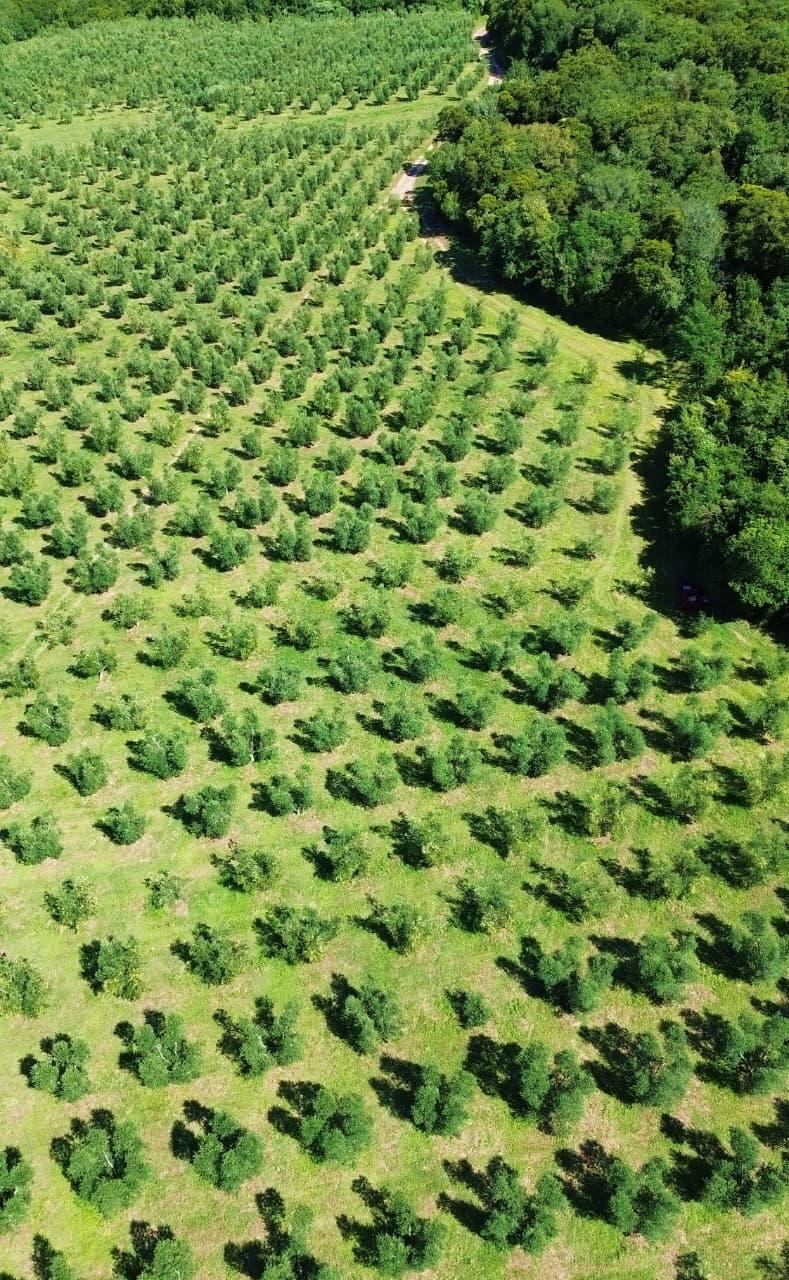
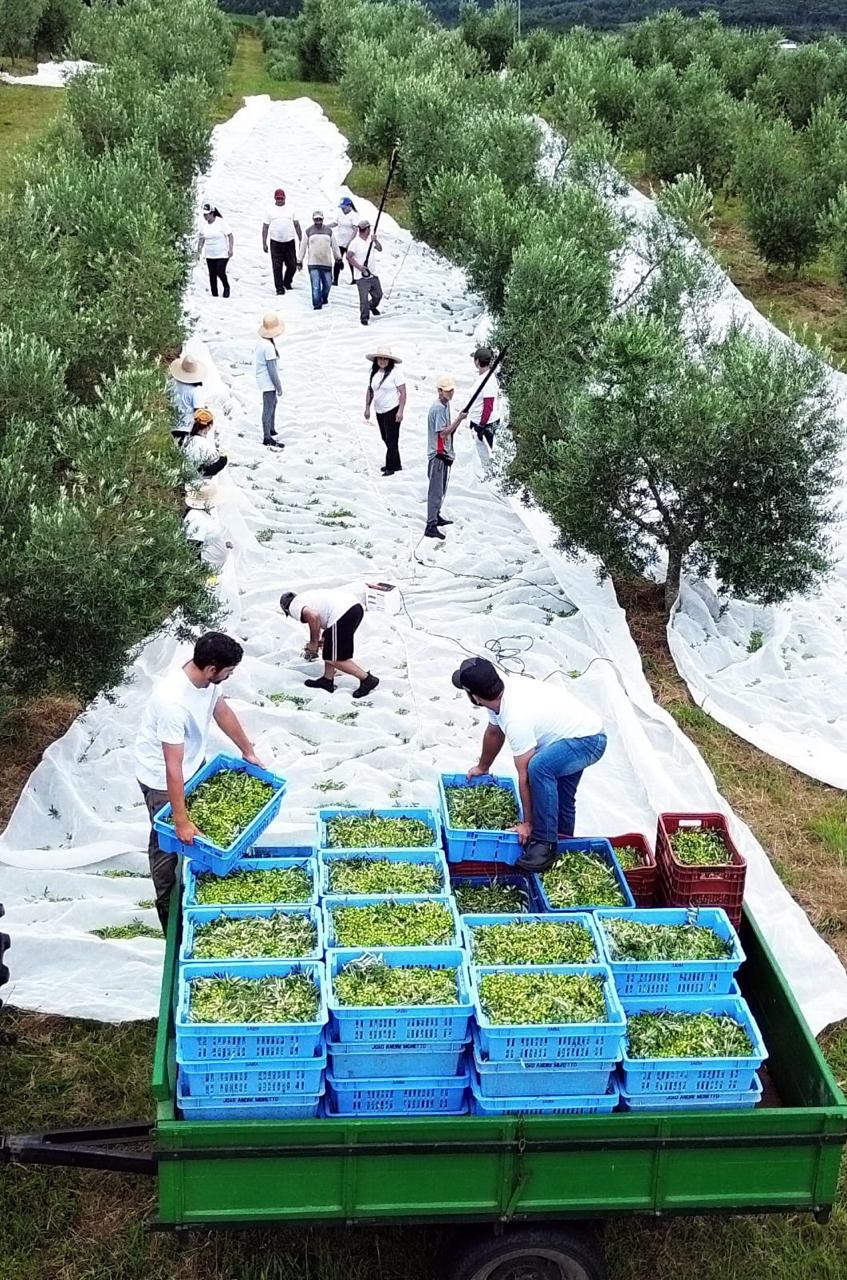
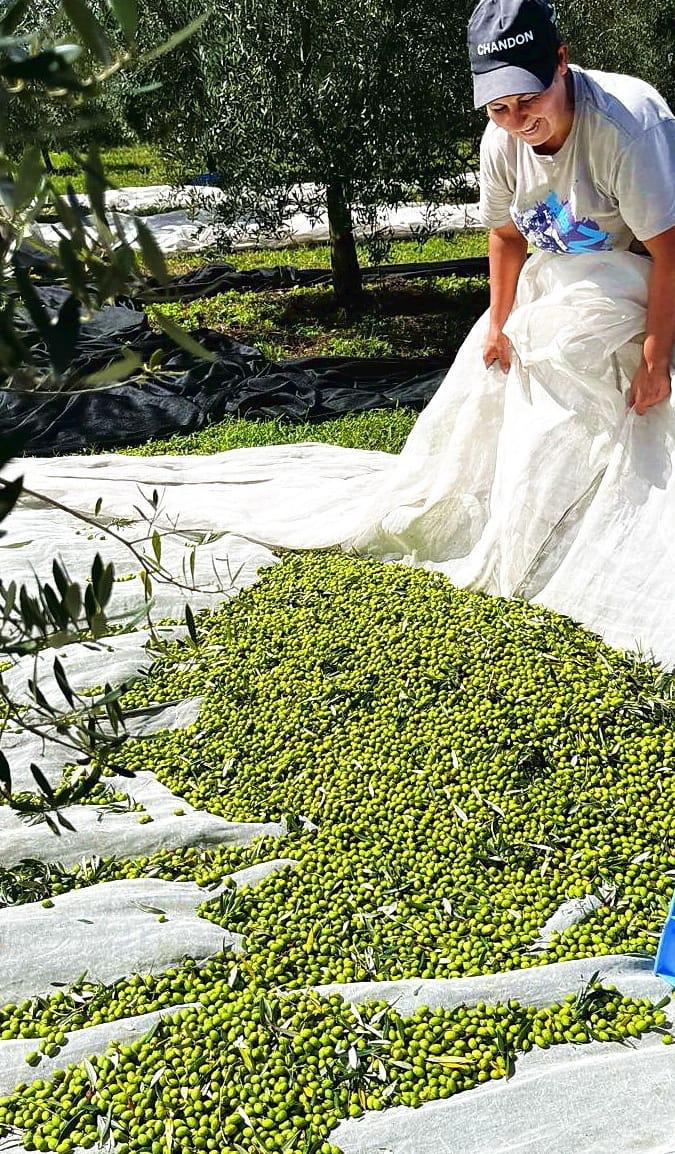
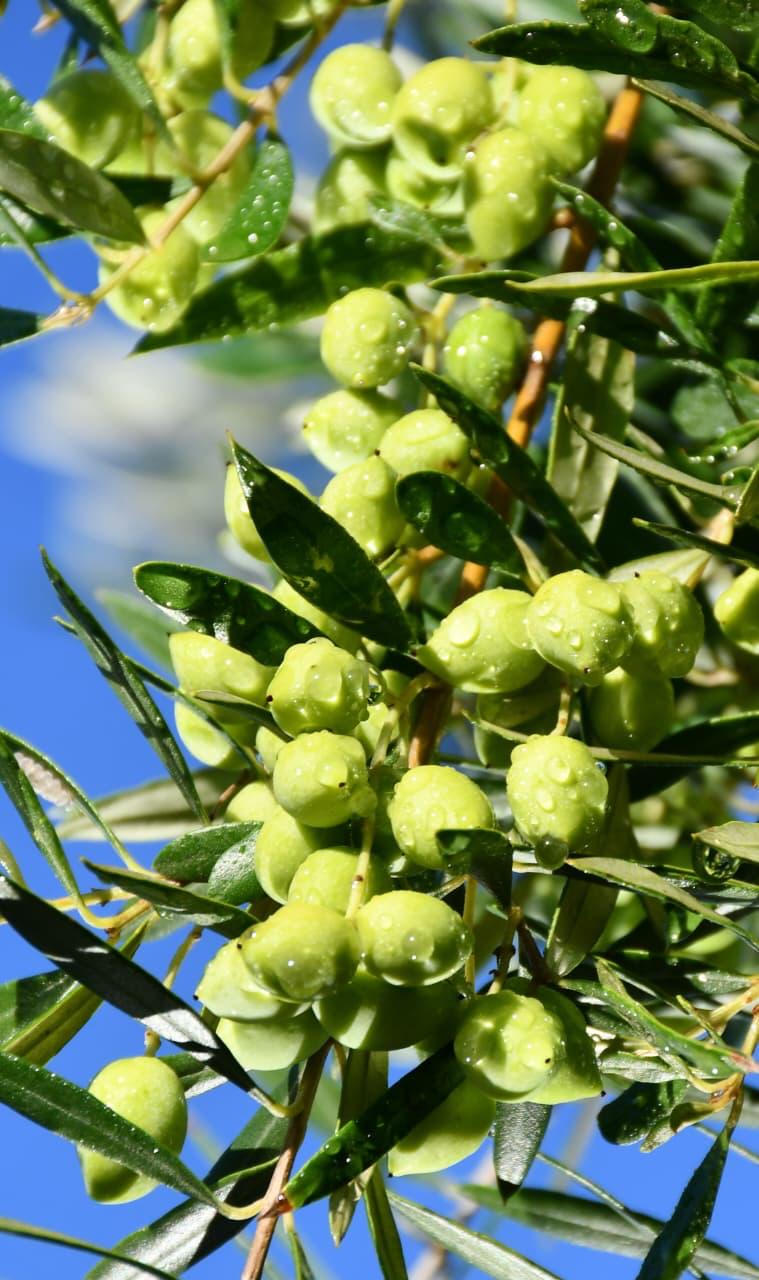
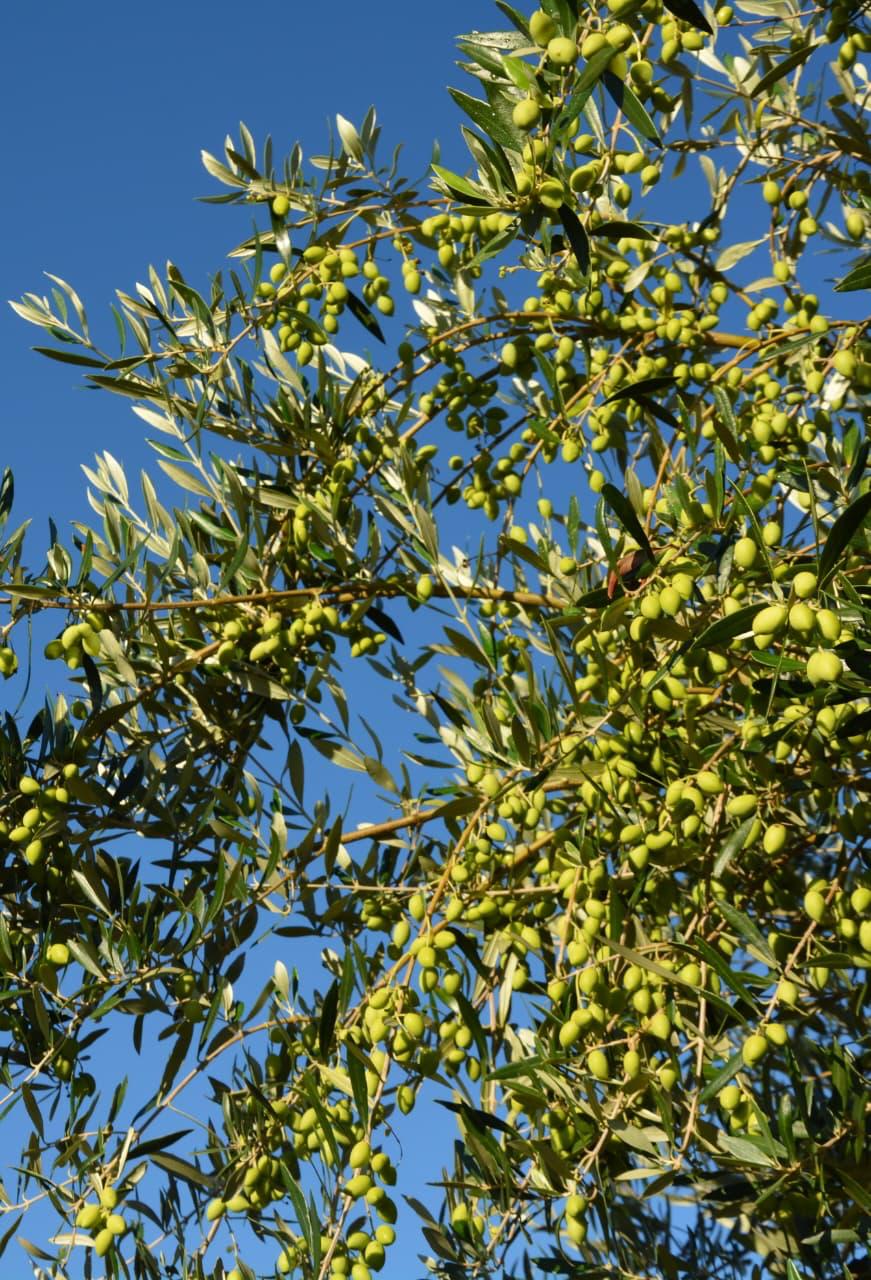
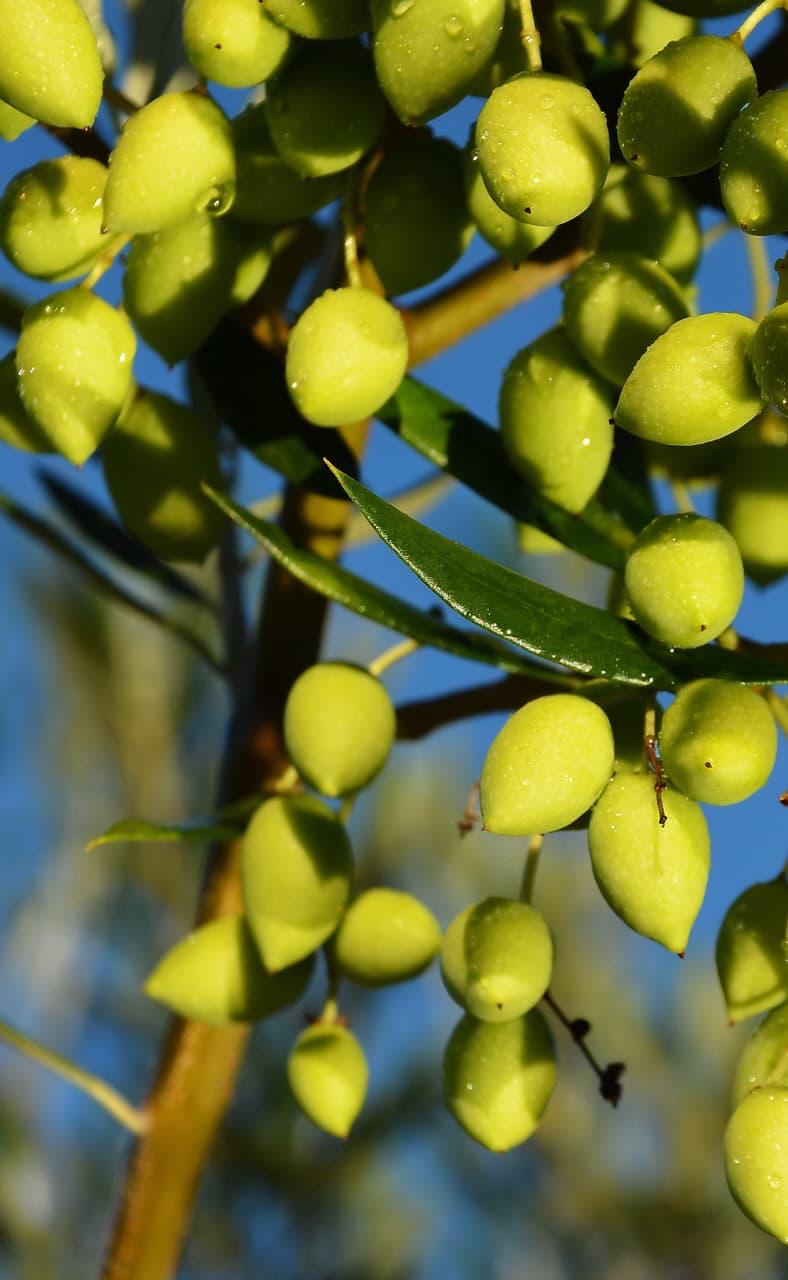
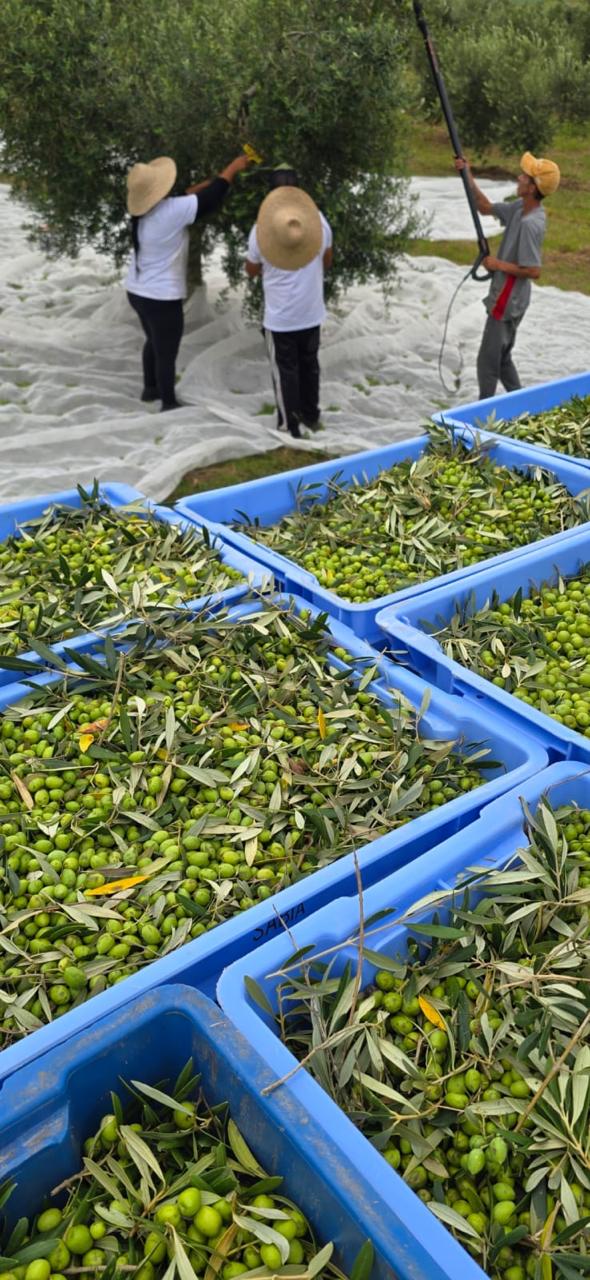
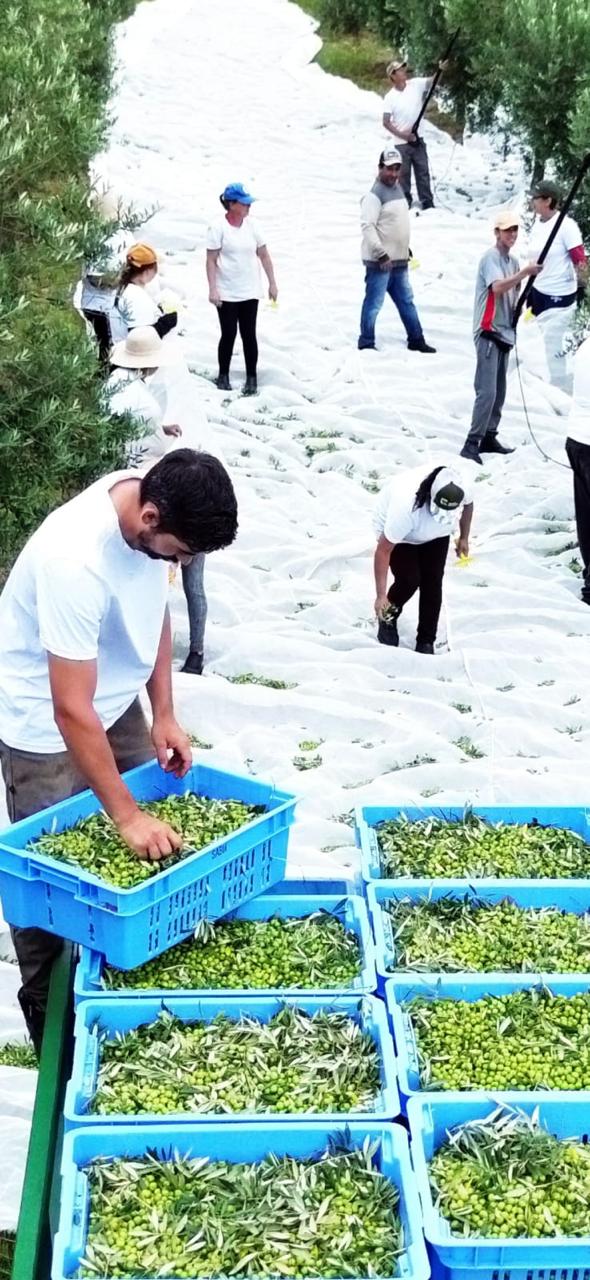
For sale is a high value rural asset/farm with a total area of 340 hectares, featuring an established production base and additional land offering agricultural optionality. On the farm there is active olive farming: large-scale olive orchard with a productive area estimated at around 80 hectares (subject to agronomic validation).
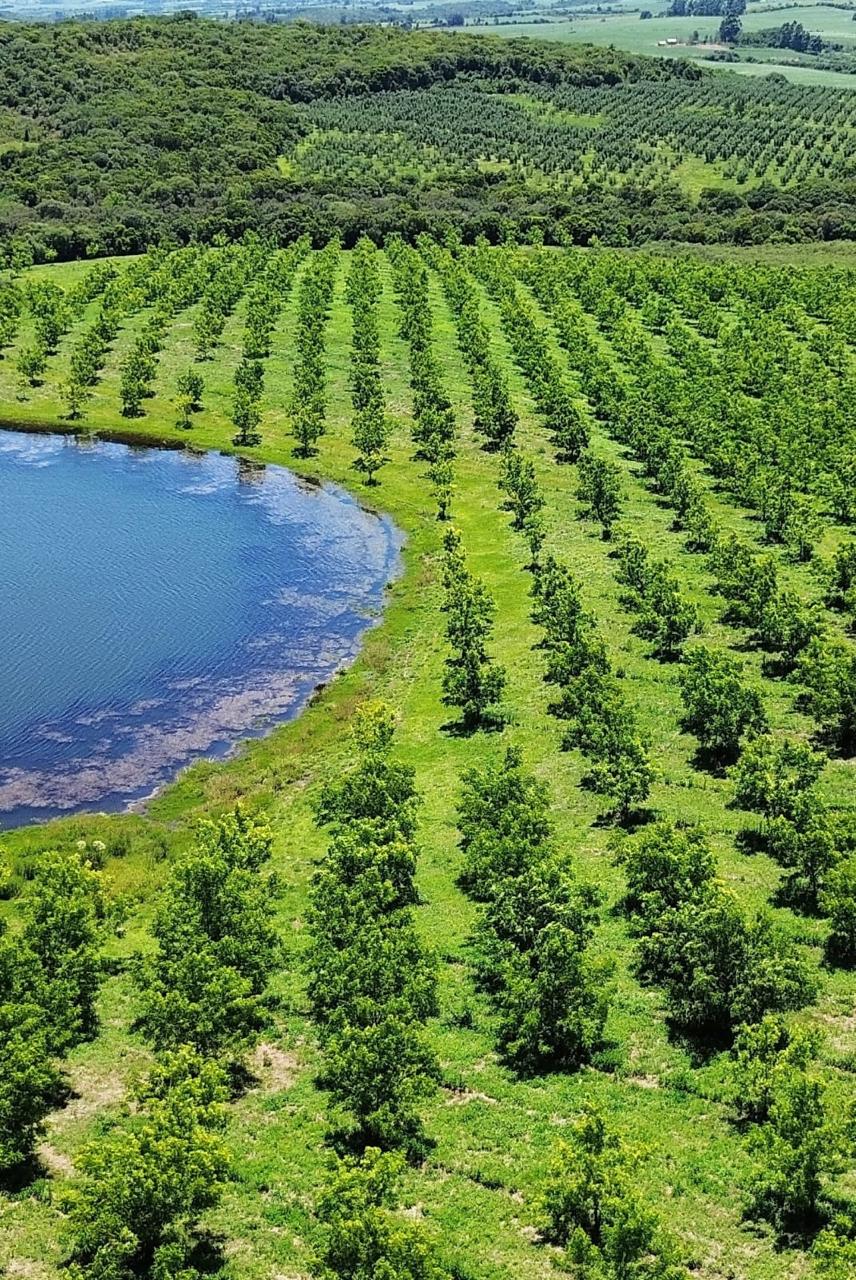
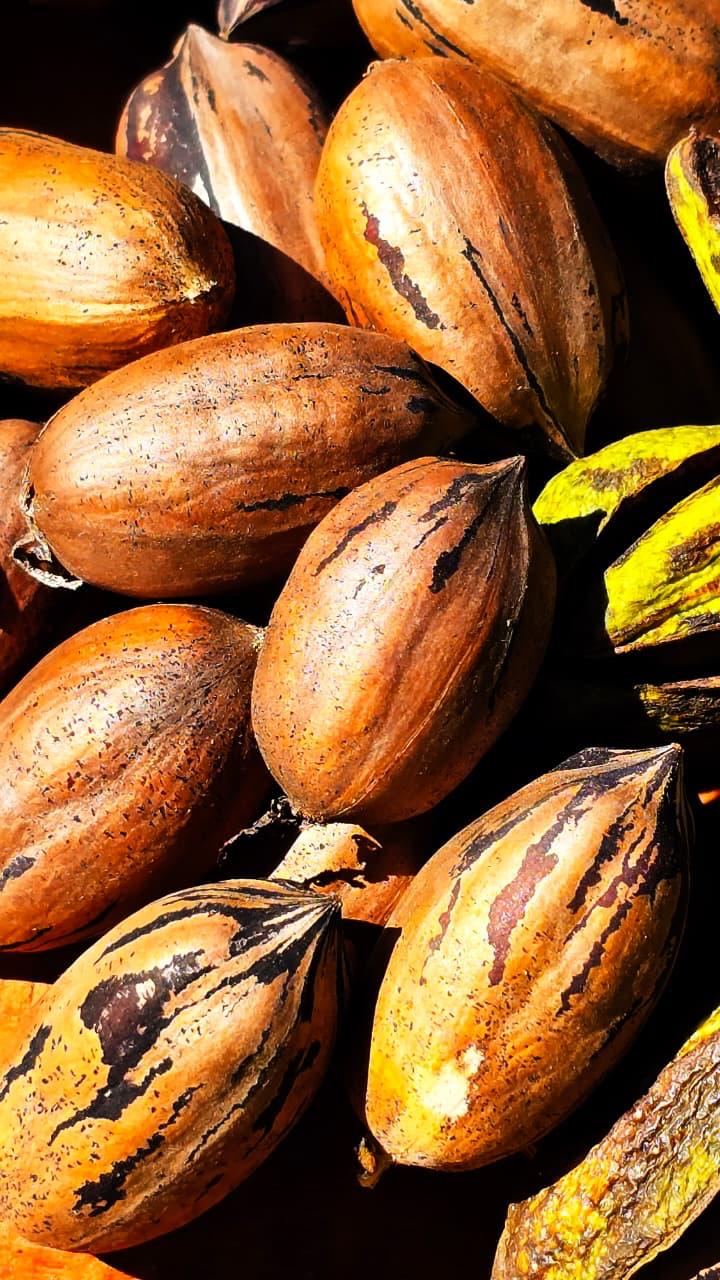
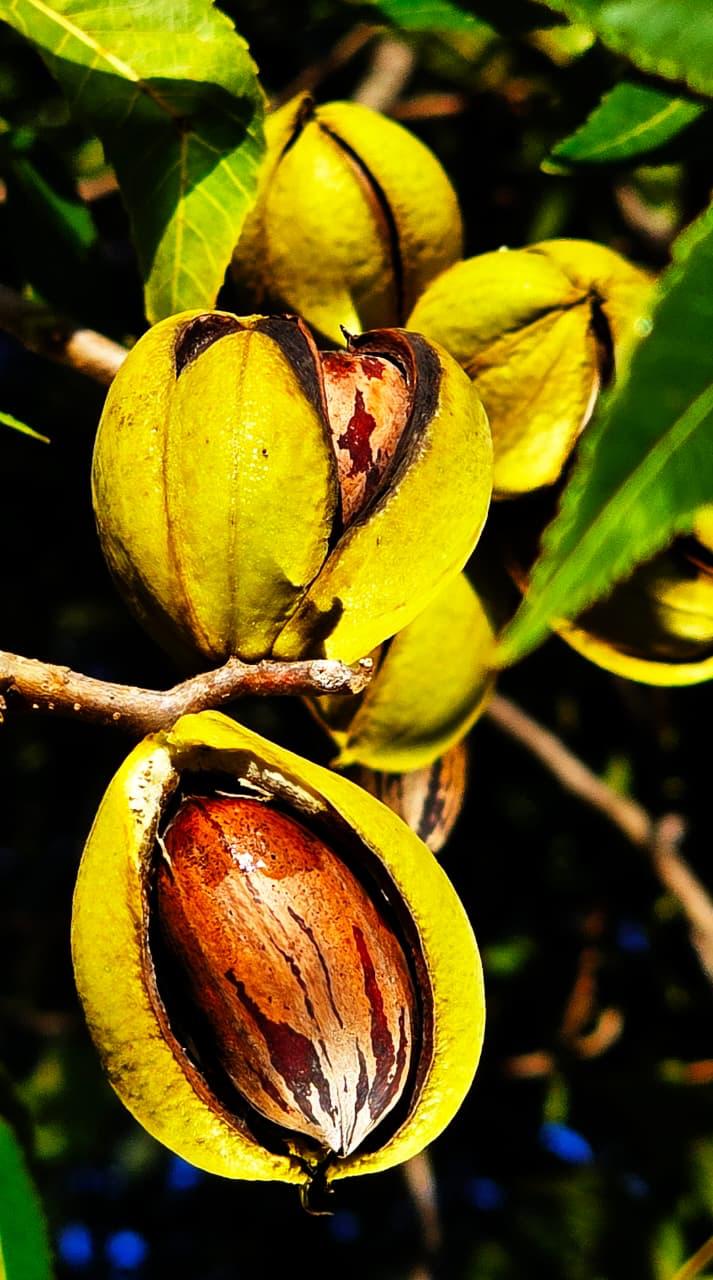
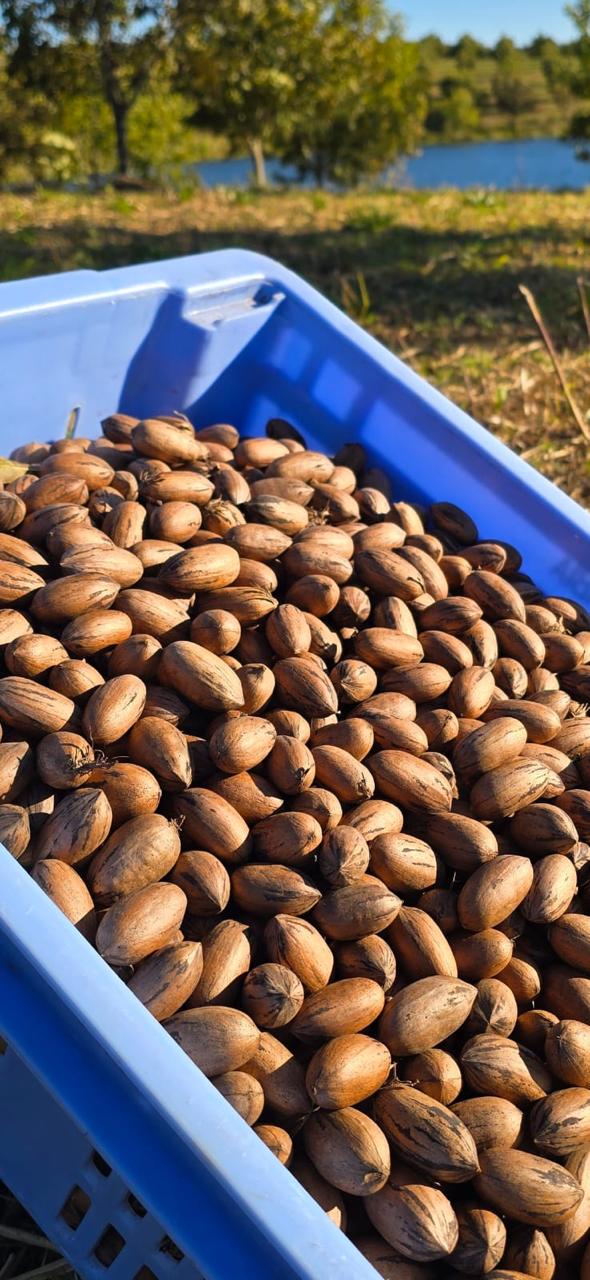
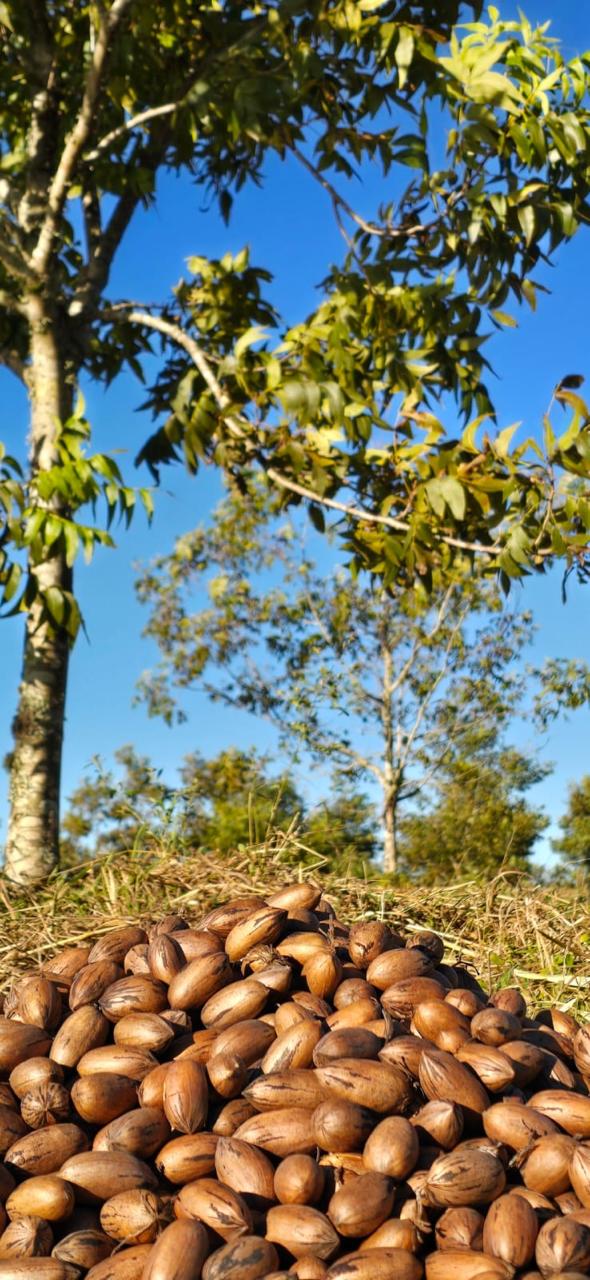
Furthermore there is Complementary pecan farming, with approximately 30 hectares of pecan trees, currently reaching productive maturity and offering growth potential through proper management. Water resources: significant water availability, with existing ponds and potential for expanded storage capacity (subject to technical and regulatory validation).
Existing infrastructure: Operational improvements, power, water supply, support structures, and rural connectivity already in place. Potential vertical integration: optionality to capture value through olive oil production, branding, agro-industrial partnerships, or the establishment of proprietary facilities, subject to a specific feasibility study.
The property is situated in a region of Rio Grande do Sul characterized by rolling hills (*coxilhas*), an altitude suitable for permanent crops, and climatic conditions that can favor the production of high-quality olive oil—especially when combined with appropriate technical management.
The regional average altitude is estimated at around 400 meters above sea level, subject to confirmation via a technical survey.
The environment offers temperature fluctuations and chill hours conducive to olive growing, though plot-by-plot analysis remains necessary.
Soils are described as naturally well-drained, with a landscape of gentle rolling hills offering operational potential for mechanization.
The region is well-suited for olive and pecan cultivation, with potential for the future assessment of viticulture or other permanent crops.
Details:
Olive Growing
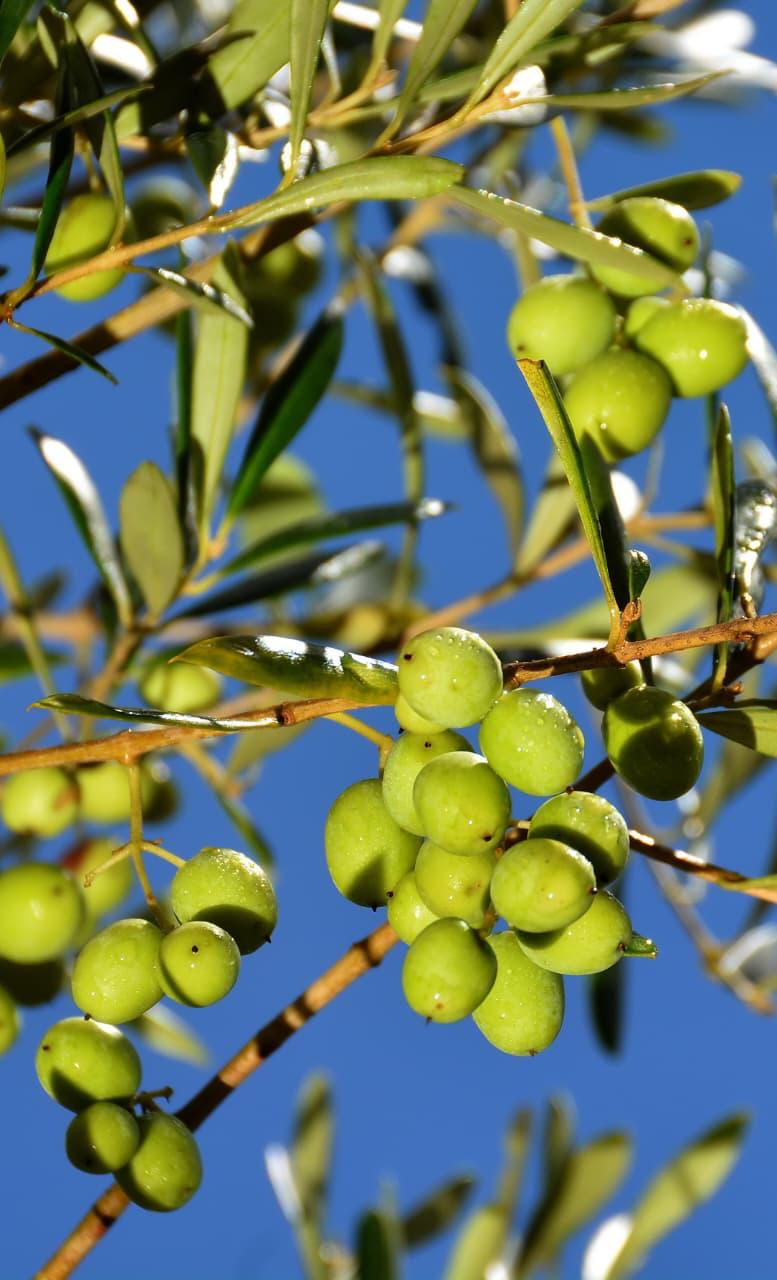
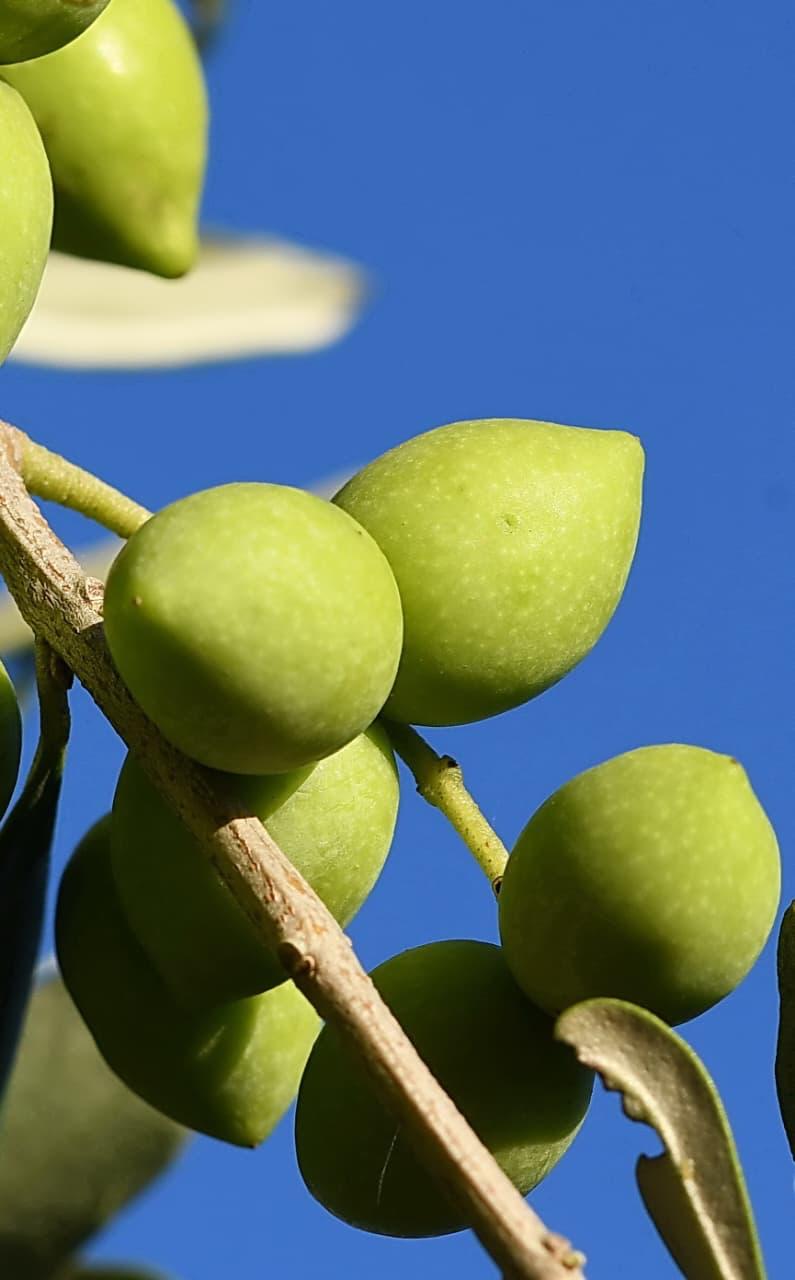
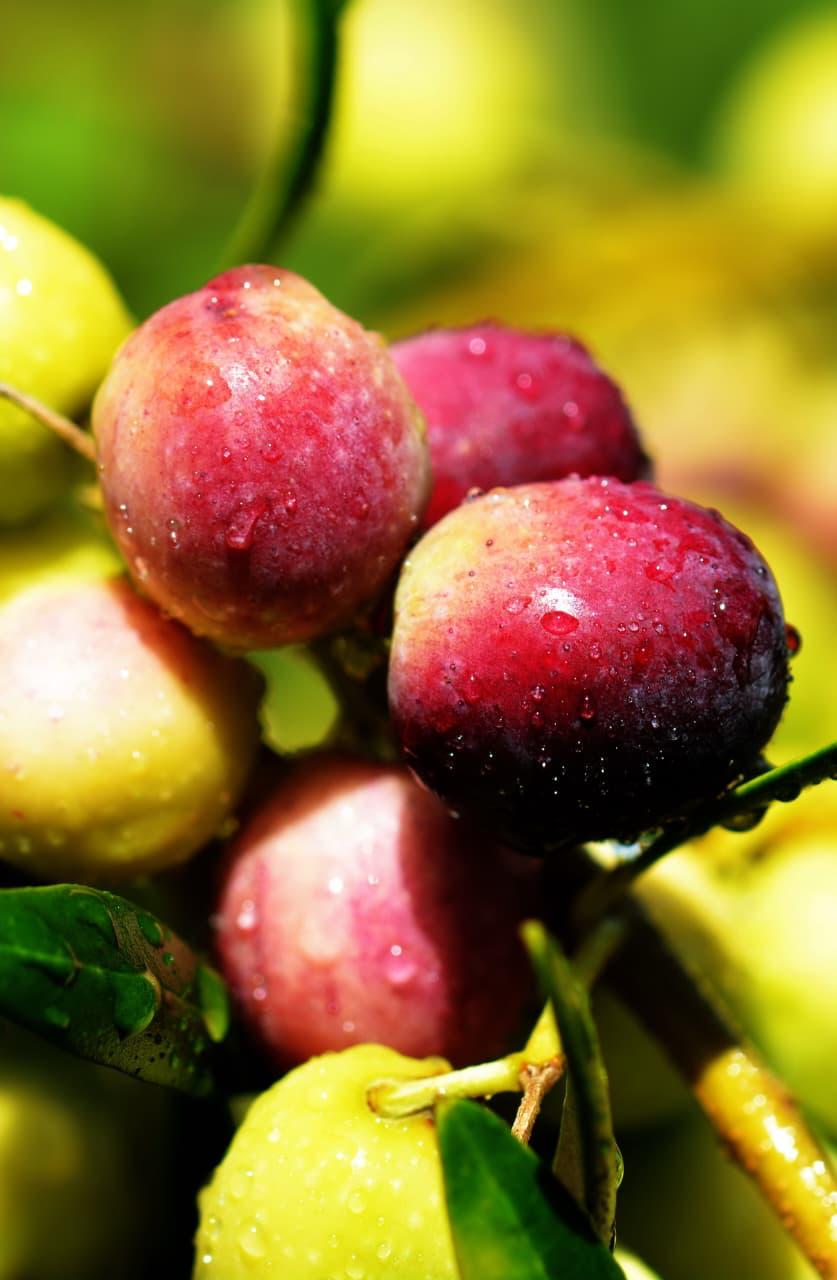
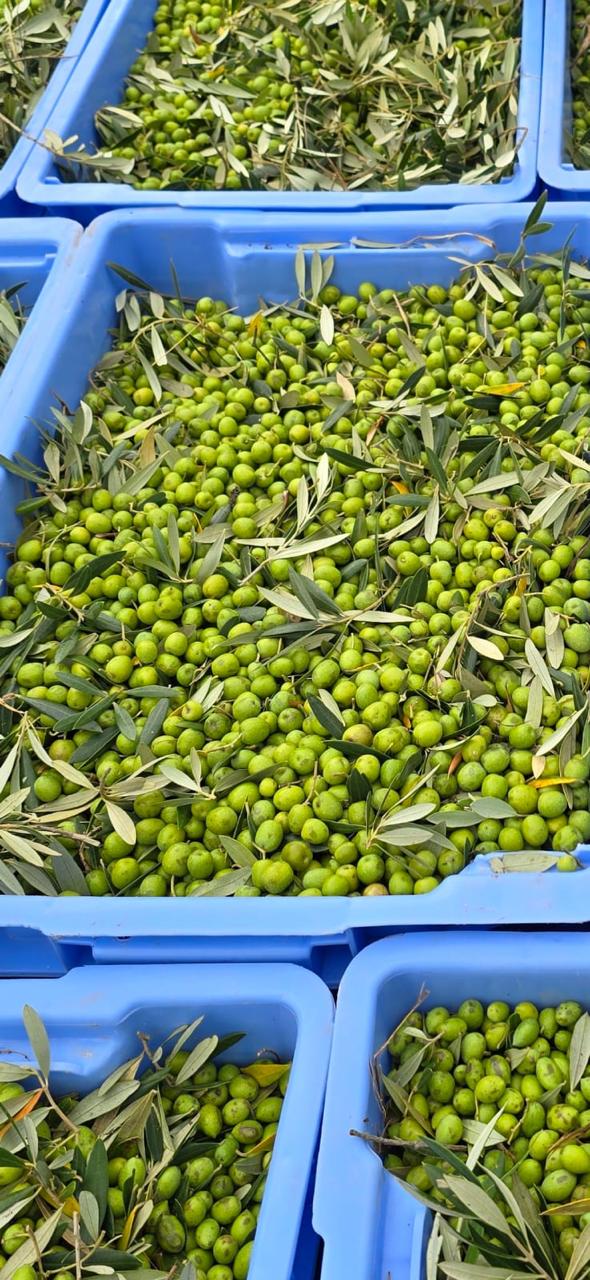
The asset features an established olive orchard of significant scale, with a productive area of approximately 80 hectares and a predominance of commercial varieties geared toward olive oil production. Preliminary variety composition indicates the presence of Arbequina, Koroneiki, Coratina, Arbosana, Cipressina, and other cultivars, allowing for blending options and varied commercial positioning.
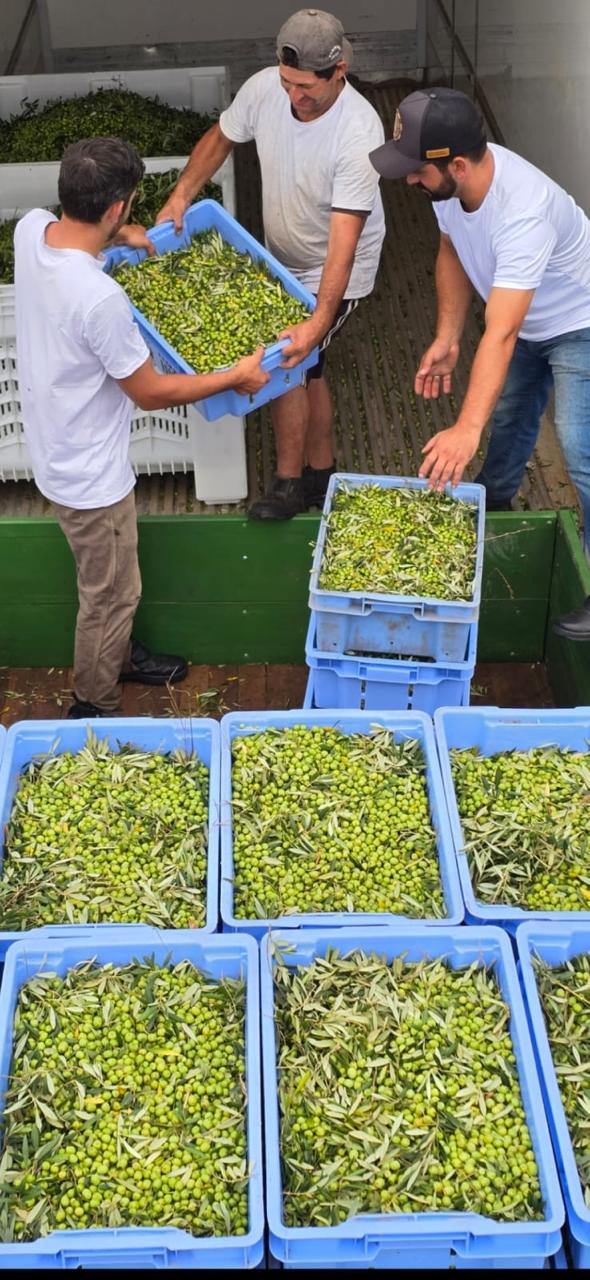
The transactional advantage lies in the time factor: compared to a new project, the investor gains access to an already established productive base with the potential for immediate operational continuity, provided that investments in management, nutrition, crop health, and harvesting are maintained and enhanced.
Pecan Growing
In addition to olive growing, the asset includes approximately 30 hectares of pecan trees currently reaching productive maturity. This crop serves as a diversification vector, reducing exclusive reliance on olives and expanding long-term agricultural revenue options.
Information regarding varieties, stand density, productivity, and the maturation schedule requires field verification, particularly as preliminary data indicate a need for further agronomic validation.
Blind Teaser V1 – controlled circulation subject to investor qualification
Water resources and operational infrastructure
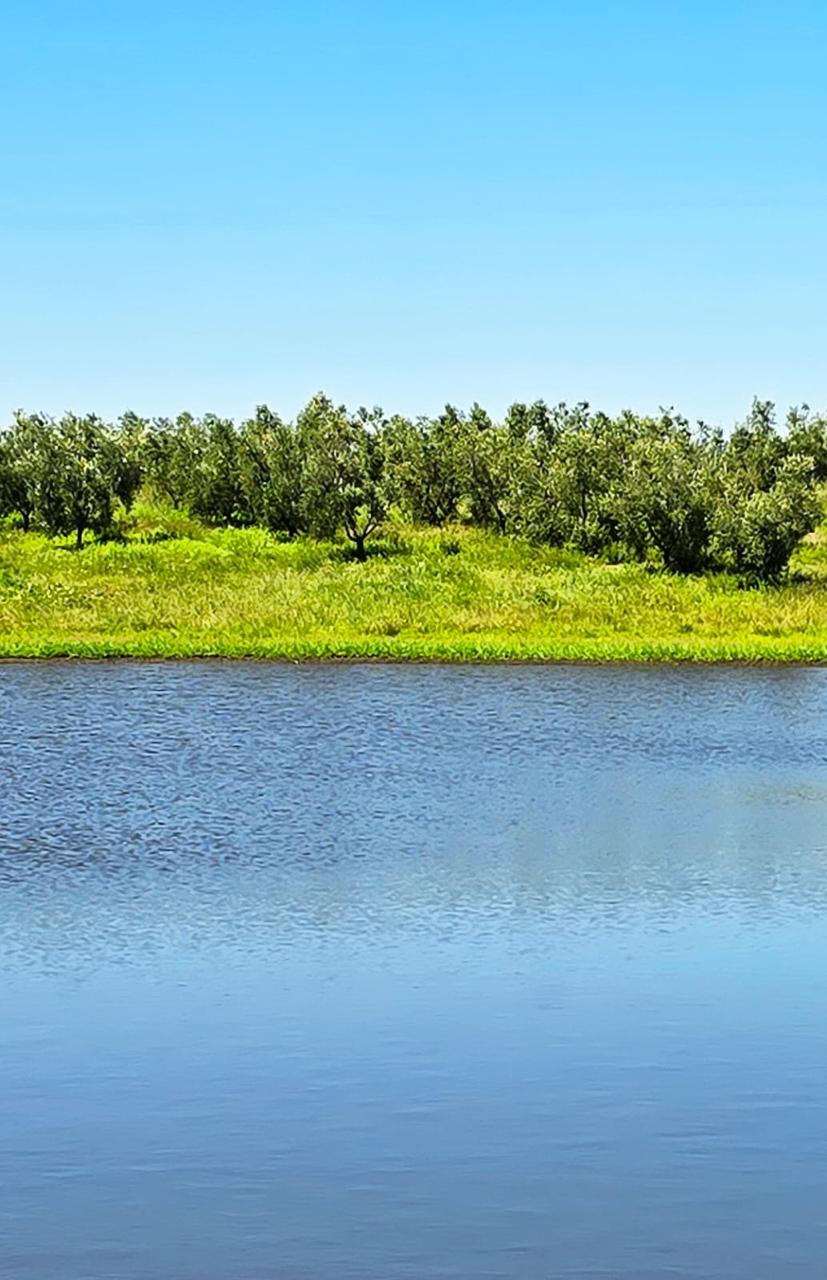
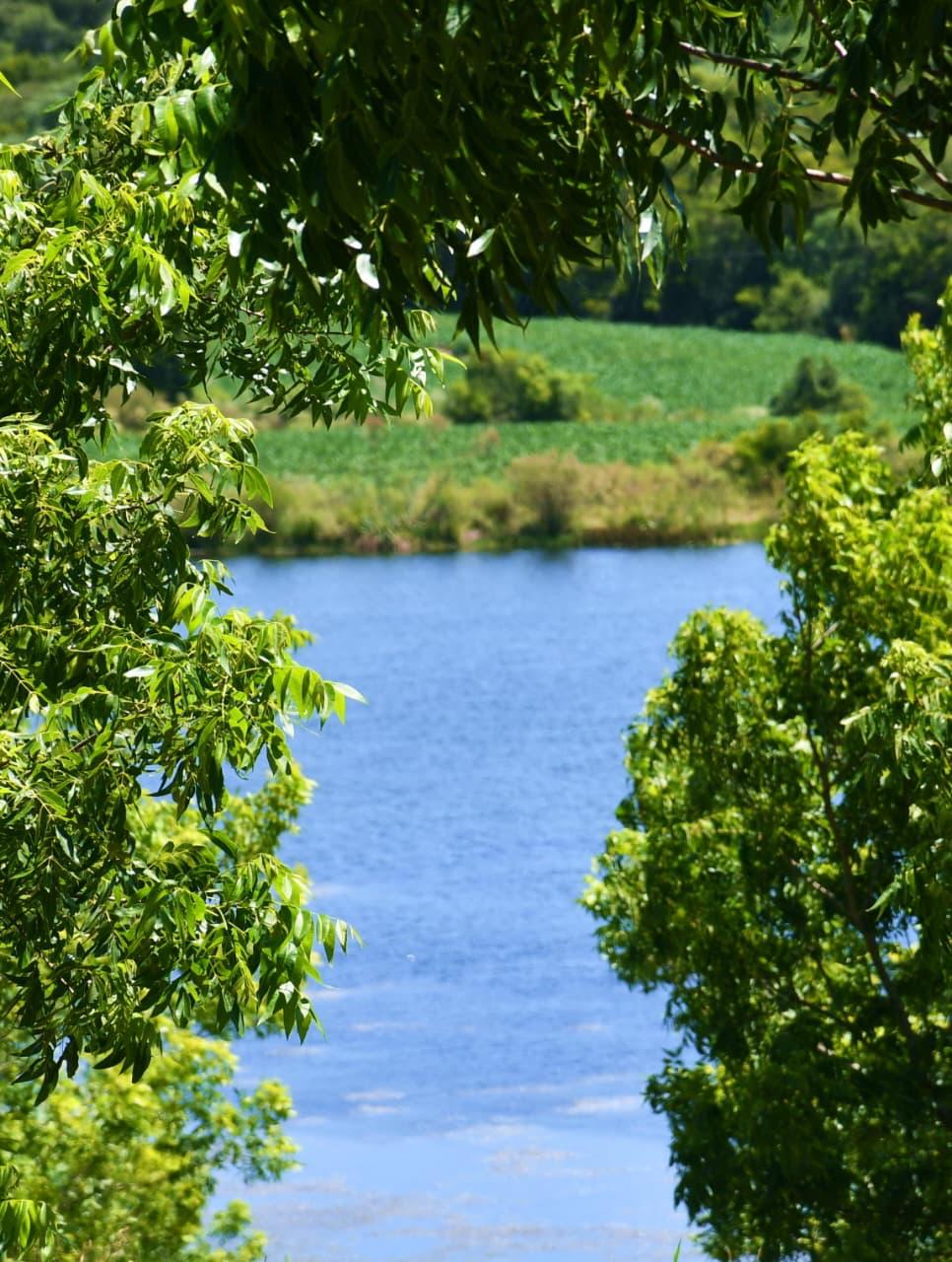
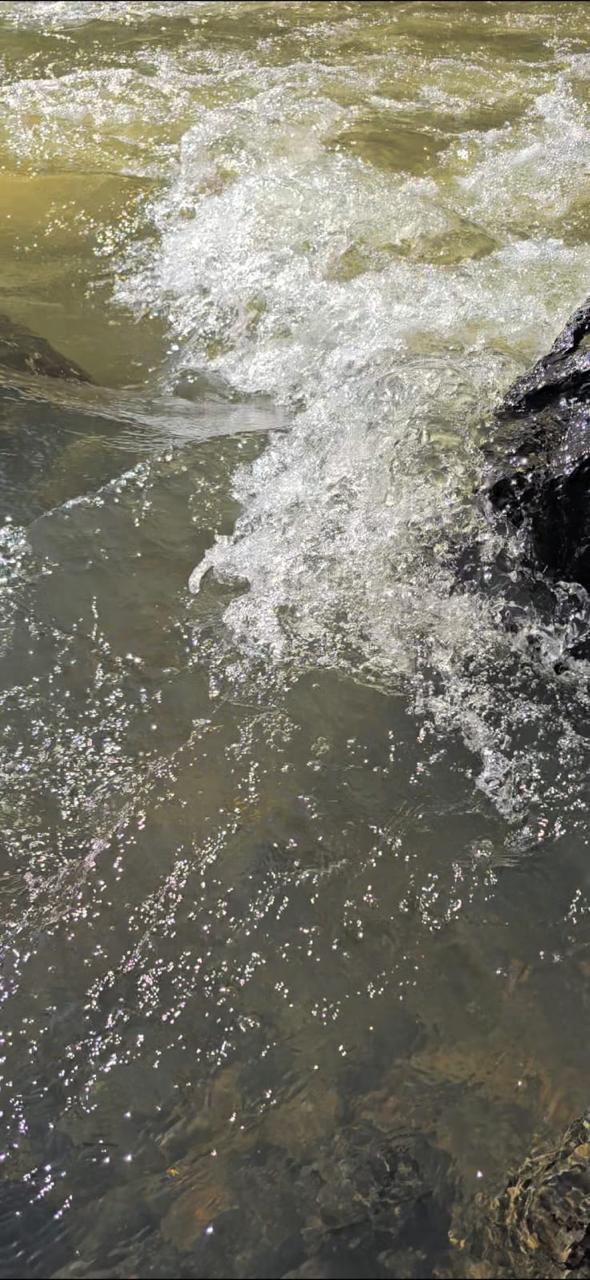
Water availability is one of the asset’s key preliminary differentiators. Source materials indicate the presence of existing ponds, water availability, and potential for expanding water storage capacity. There is also mention of irrigation potential, subject to technical, environmental, and regulatory validation.
Existing ponds and established water storage infrastructure.
Potential for new reservoirs, subject to applicable studies, permits, and water rights authorizations.
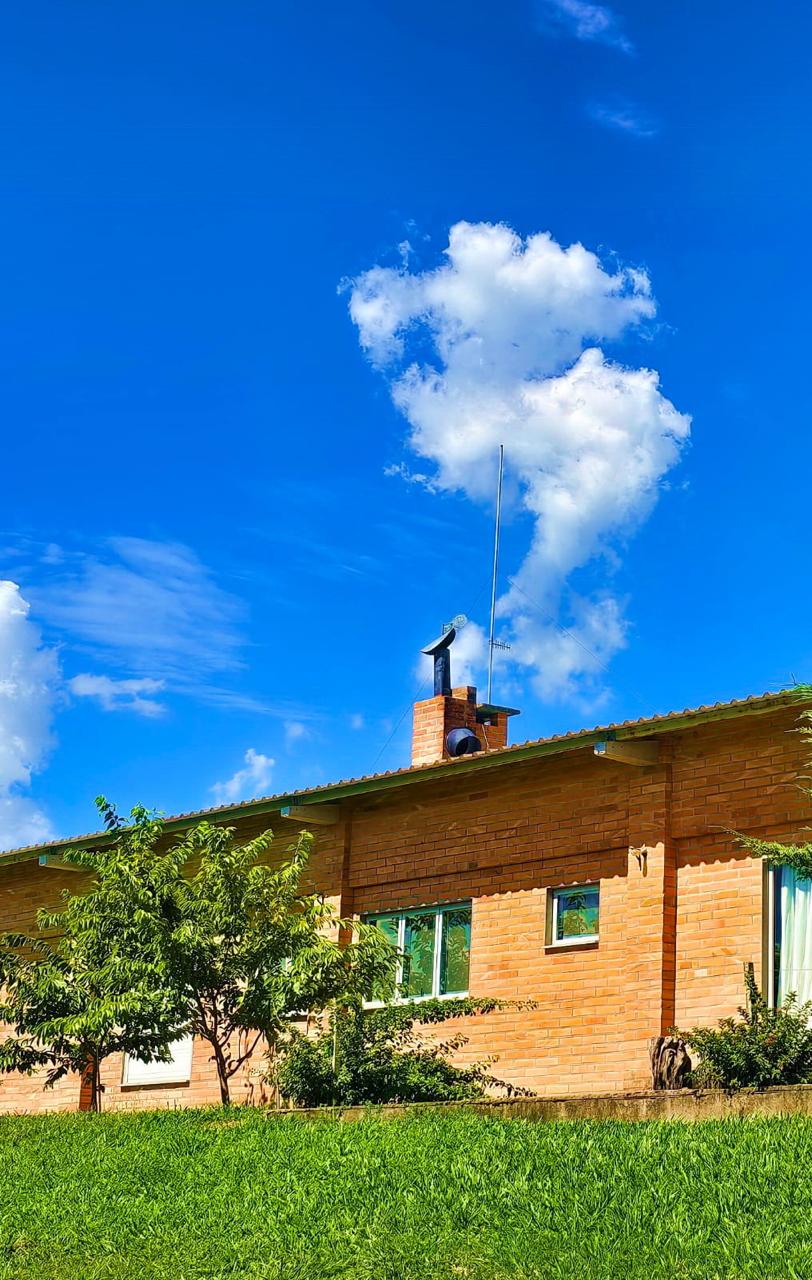
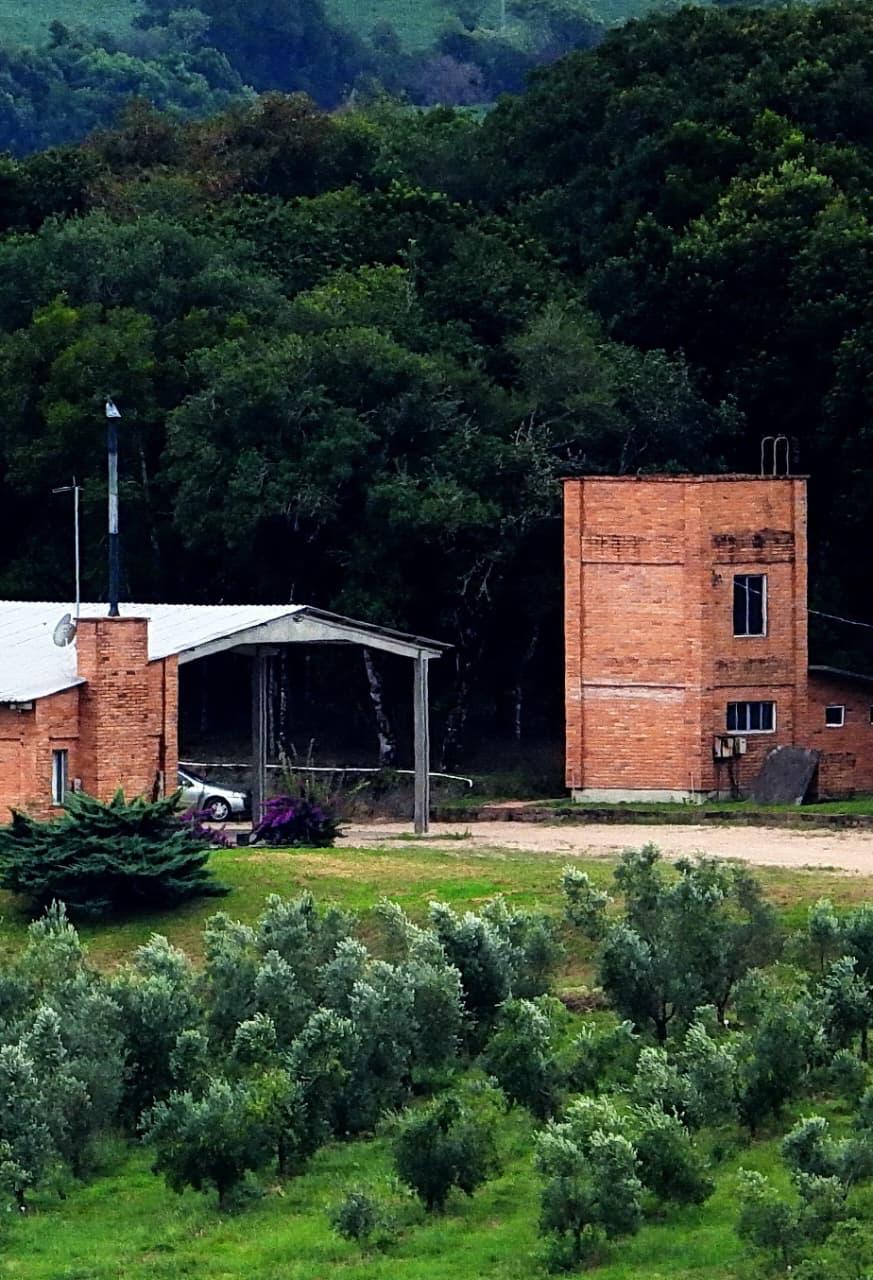
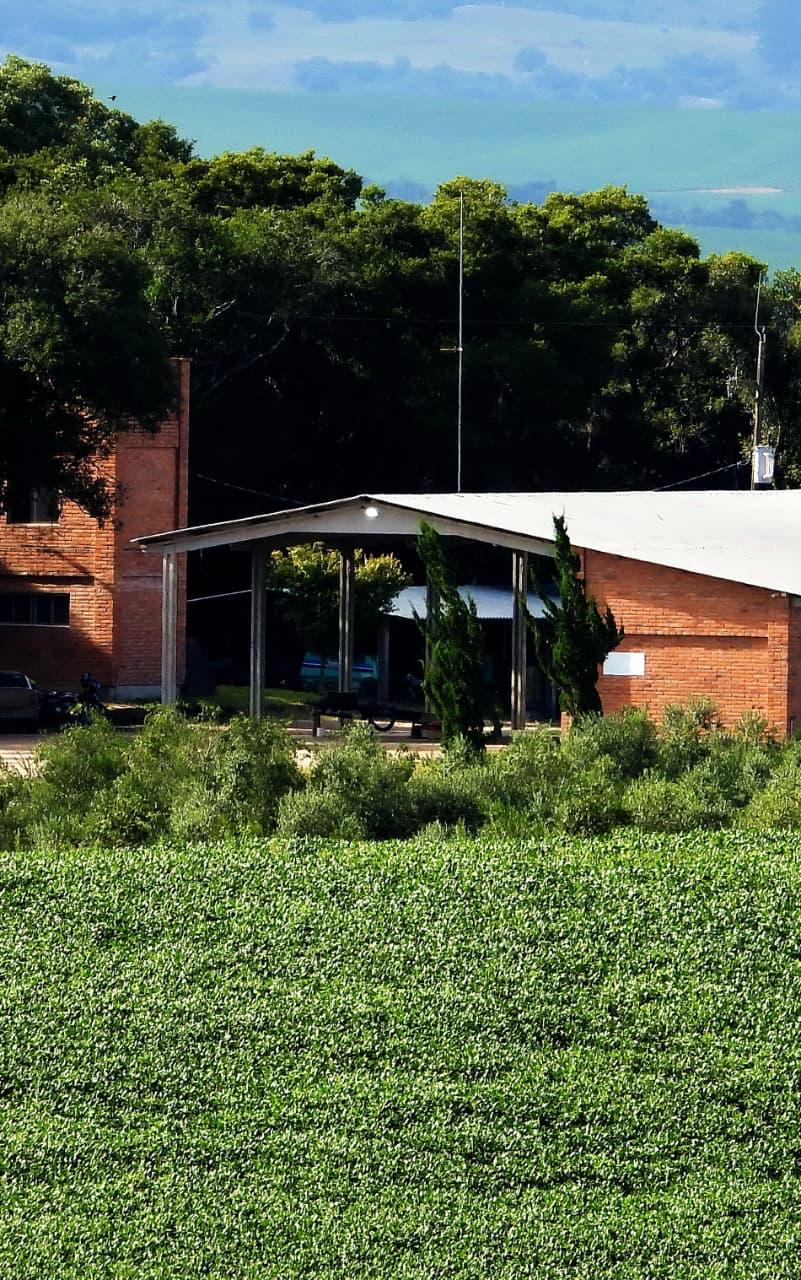
Established rural operational infrastructure, including sheds, support structures, power, water, and connectivity.
Residences and support facilities that can facilitate operational continuity and the presence of a permanent on-site team.
We accompany clients during the whole sales process and provide encompassing consulting services.
Further Observations:
- This farm asset is exclusively for sale.
- It is recommended that prospective buyers conduct a visit of the property with a subsequent diligence in order to make an informed decision on whether to proceed with the purchase. It is however expected that the prospective client has the necessary financial means to purchase. It is important to note that Brazilian banks or in general financial institutions do not give, under any circumstances, loans or mortgages to foreigners. Also, it is very rare that European or American banks concede loans or mortgages for purchasing real estate in Brazil. It is thus indispensable to have the proper capital in order to effectuate a purchase.
- The buyer/investor does not pay any kind of commission to the realtor in Brazil – the commission is strictly the responsability of the seller. However, the buyer is responsible for paying the notary costs as well as the ITBI (Imposto de Transmissão de Bens Imóveis – the property transfer tax) which ranges, depending on the state, between 2 – 3 %.
- Property ID: 42912
- ID: 42912
- Views: 5